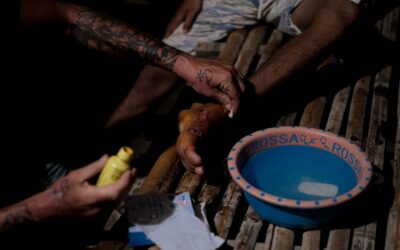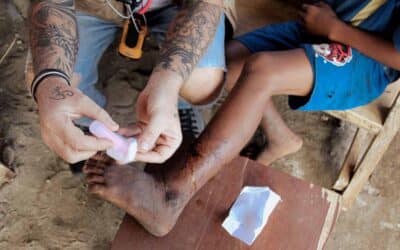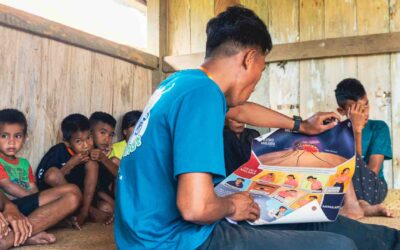


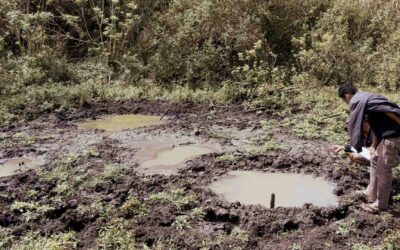
Climate change is reshaping dengue transmission across rural Indonesia. Warmer temperatures, longer rainy seasons and stagnant water near homes create ideal mosquito breeding sites. In isolated villages, prevention, environmental management and early diagnosis remain essential to reduce severe dengue cases.
We have compiled a list of articles and pages for this topic
The Fair Future Foundation in East Indonesia combats social and medical injustice and aims to ensure everyone has access to healthcare, clean water, and education. Join us in making a difference.
Fair Future’s mission: to provide basic medical care and treatment in areas with no healthcare infrastructure.
Rubella in Indonesia | 11,094 Measles Cases, 72 Deaths
Rubella in Indonesia remains a serious rural health threat. After 11,094 confirmed measles cases and 69 deaths in 2025, continued transmission in 2026 highlights low MR coverage, weak surveillance, and the ongoing risk of congenital rubella syndrome in remote districts.
Health Systems Stop Before the Village | Rural Health Access
Health systems often function in cities and district hospitals but stop before reaching the most remote villages. Distance, weak infrastructure, limited staff and governance failures leave rural populations without care. Community health agents and primary medical care programs help bridge this gap.
Logistics Is Medicine | Reaching Remote Villages
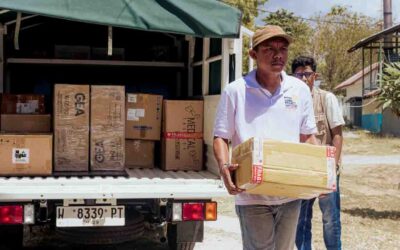
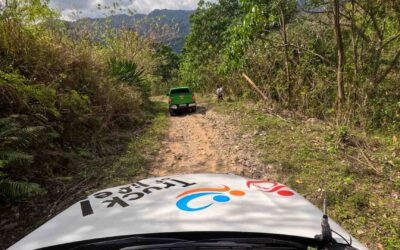
Logistics is medicine in remote regions where healthcare access depends on transport, supply chains and field operations. Trucks, motorcycles and medical deliveries determine whether diagnostics, vaccines and treatments reach isolated communities in time to save lives.
Last Mile Global Health | Why Systems Stop Early
Global health programs often succeed at national level but fail to reach the most remote communities. This article explores the last mile global health challenge and explains why healthcare systems stop before the final villages, and how community medicine bridges that critical distance.
Health Built Before Patients Arrive | Rural Medicine
Health built before patients arrive explains why prevention determines survival in rural regions. Clean water systems, malaria prevention, community health agents and early detection reduce infections and save lives long before a patient reaches a clinic.
Hidden Cost of Delay in Rural Medicine | Access
The Hidden Cost of Delay in Rural Medicine shows how distance, financial barriers and time to first consultation transform mild illness into severe complications in East Sumba. Through Primary Medical Care, early intervention reduces avoidable deaths and restores timely access to treatment in ultra rural Indonesia.
Antibiotics Without Laboratories | Rural Care
Antibiotics without laboratories define daily medical reality in remote East Sumba. Severe infections cannot wait for cultures that do not exist. We treat empirically, guided by clinical expertise, local epidemiology, and strict protocols designed to protect both patients and global antimicrobial effectiveness.
Health Without Infrastructure Fiction | Rural Care
Health Without Infrastructure Fiction describes a simple reality in ultra-rural East Indonesia. When roads, water, and electricity are absent, diagnosis is delayed and preventable disease becomes lethal. Infrastructure is not secondary to healthcare. It is healthcare.
Sepsis in Rural Indonesia | Preventing Silent Deaths
Sepsis in ultra-rural Indonesia often begins with untreated infections caused by lack of access to care. Based on field experience, this article explains how early primary medical care, trained community health agents, and prevention stop infections before they become fatal.
Preventing and treating dog bites in remote areas
Dog bites can be prevented and managed effectively with the proper knowledge. Discover methods for cleaning wounds, controlling bleeding, and obtaining medical care to avert serious infections such as rabies.
Disease Prevention in Rural Health
In ultra-rural regions, disease prevention is often the only medical barrier between families and severe illness. Education, hygiene and vaccination awareness reduce infections long before emergency care is needed, protecting communities where access to healthcare remains limited.