


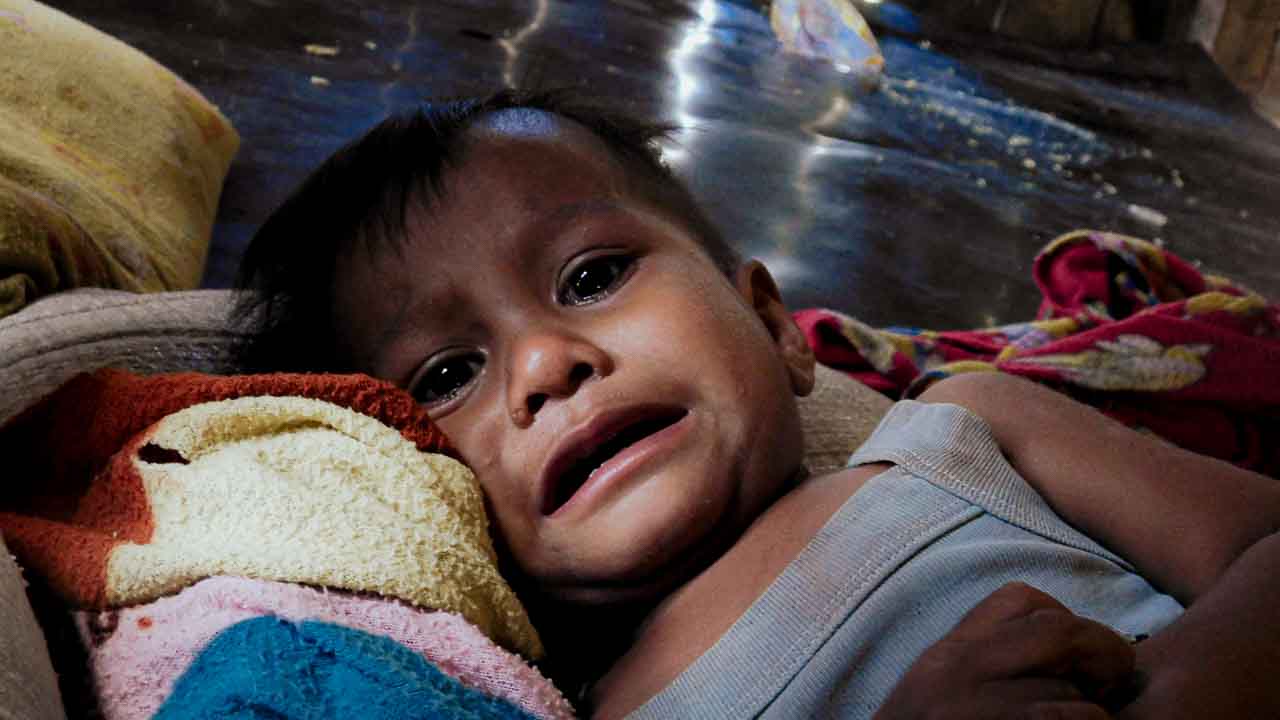
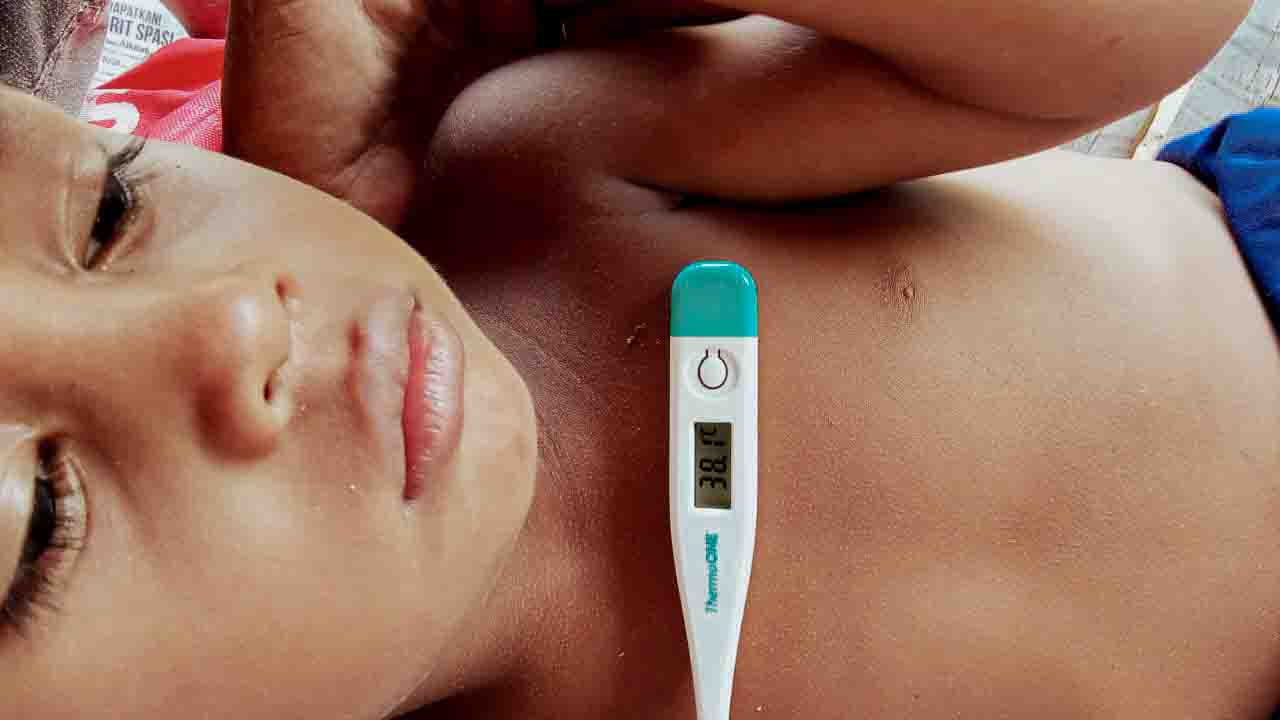
A malnourished child in visible pain, lying at home without access to basic medical care in a rural setting.
Pain Without Treatment: The Invisible Burden of Untreated Pain in Rural Medicine
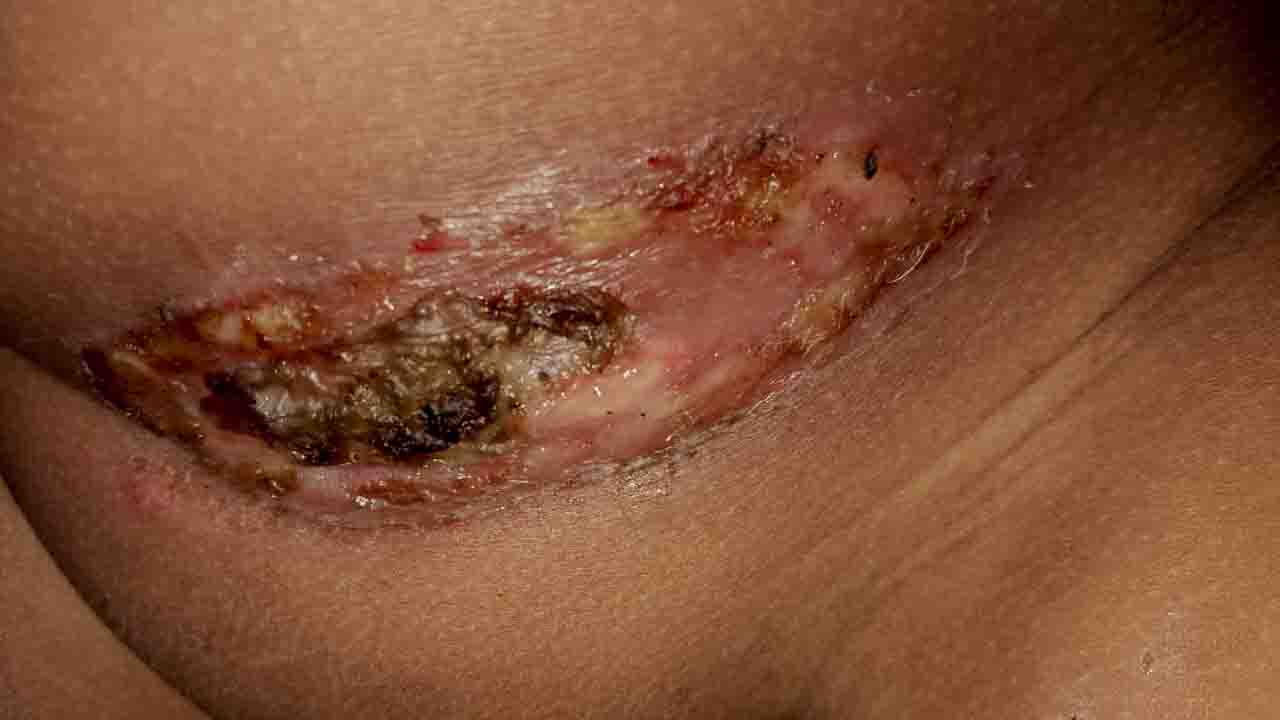
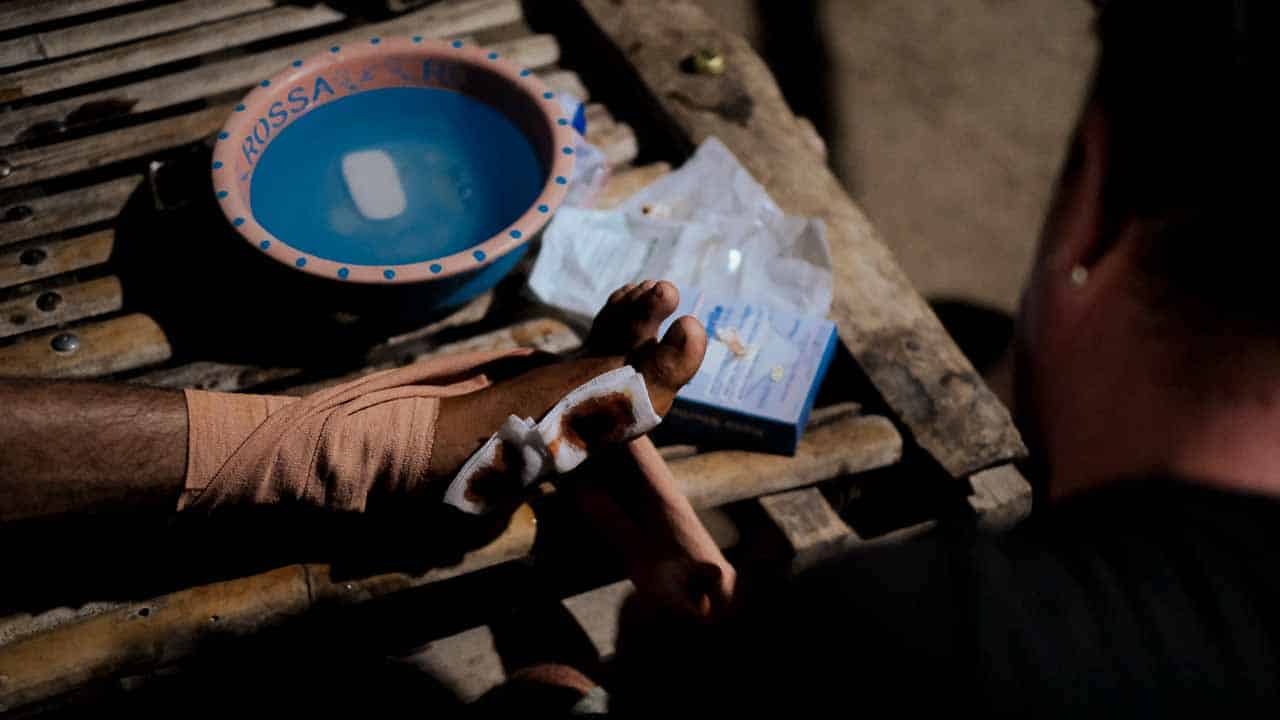
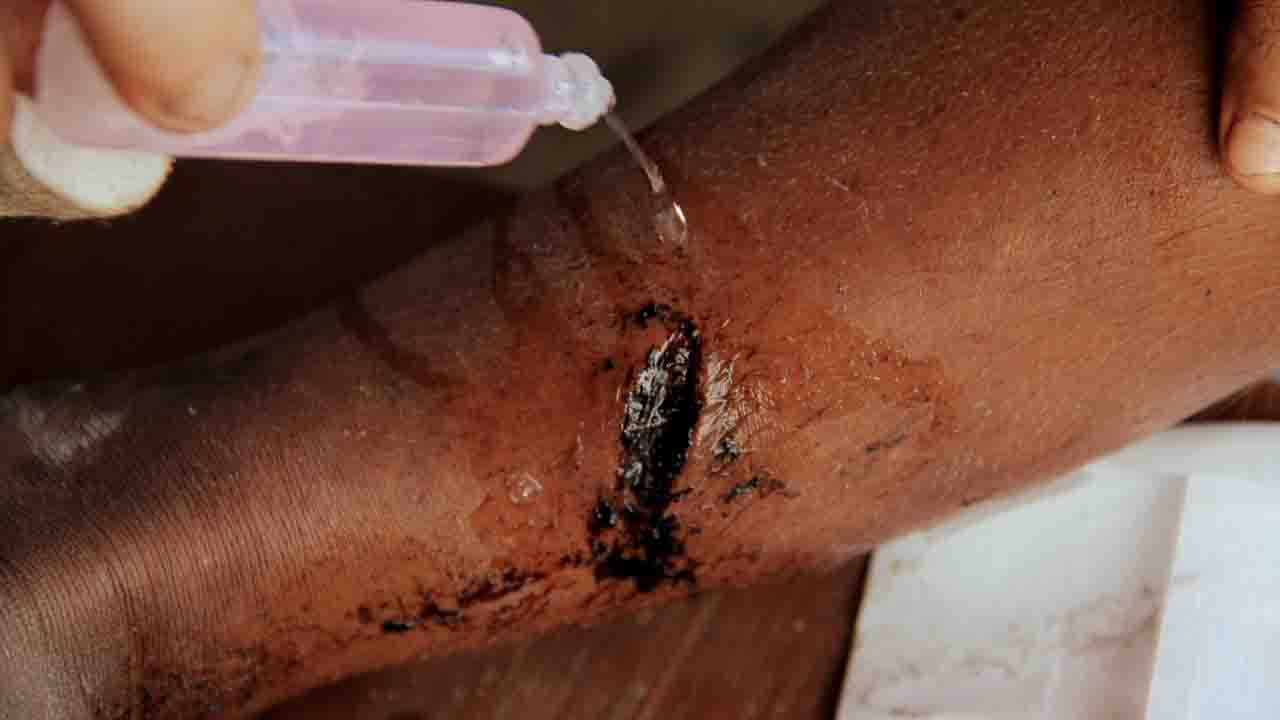
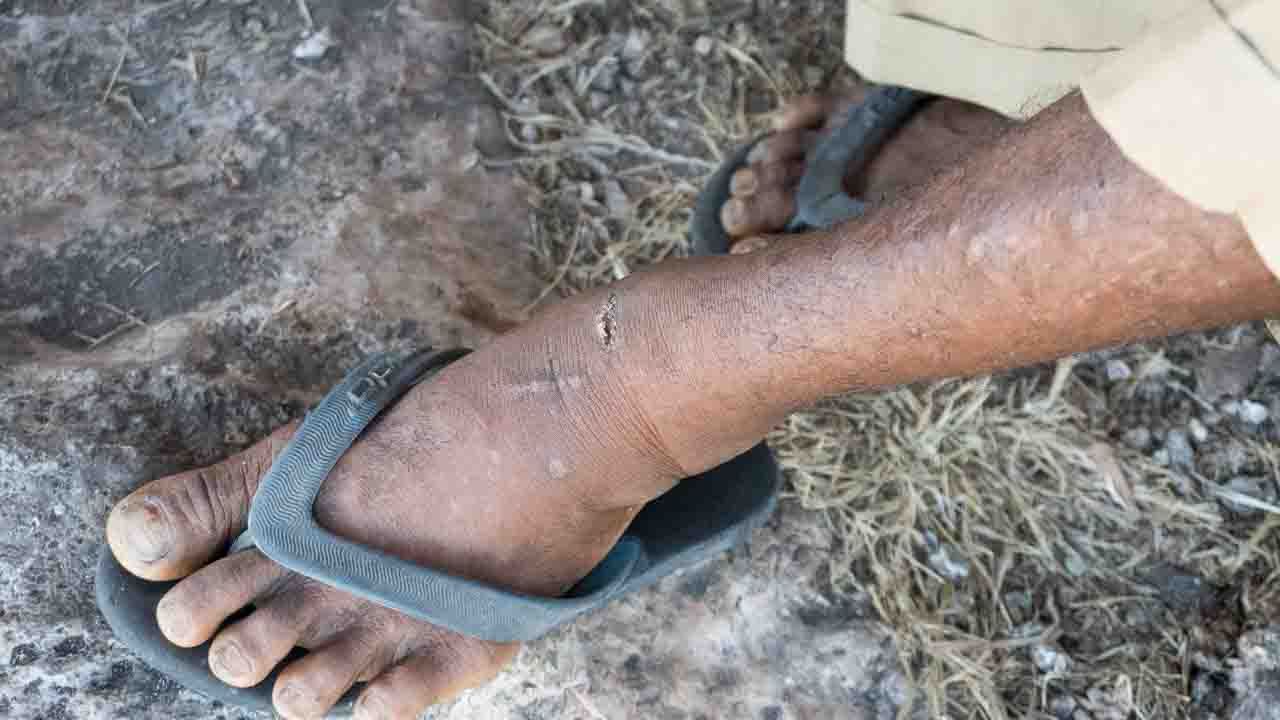
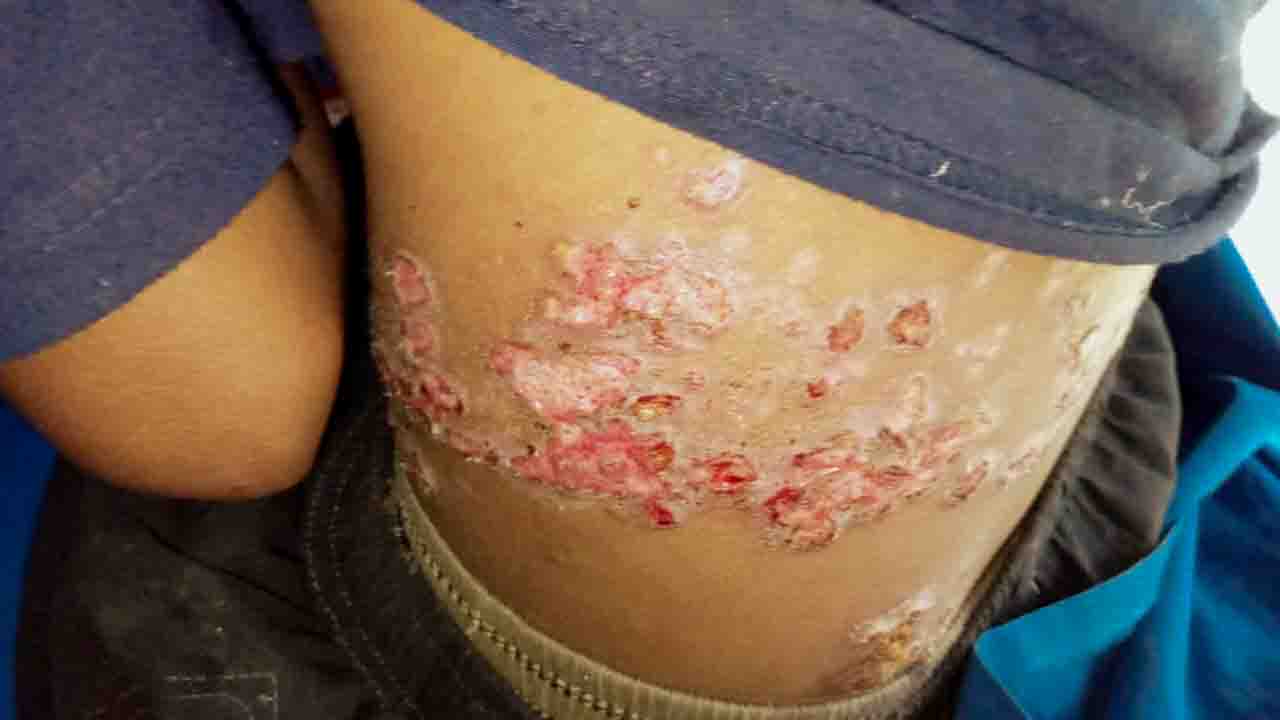
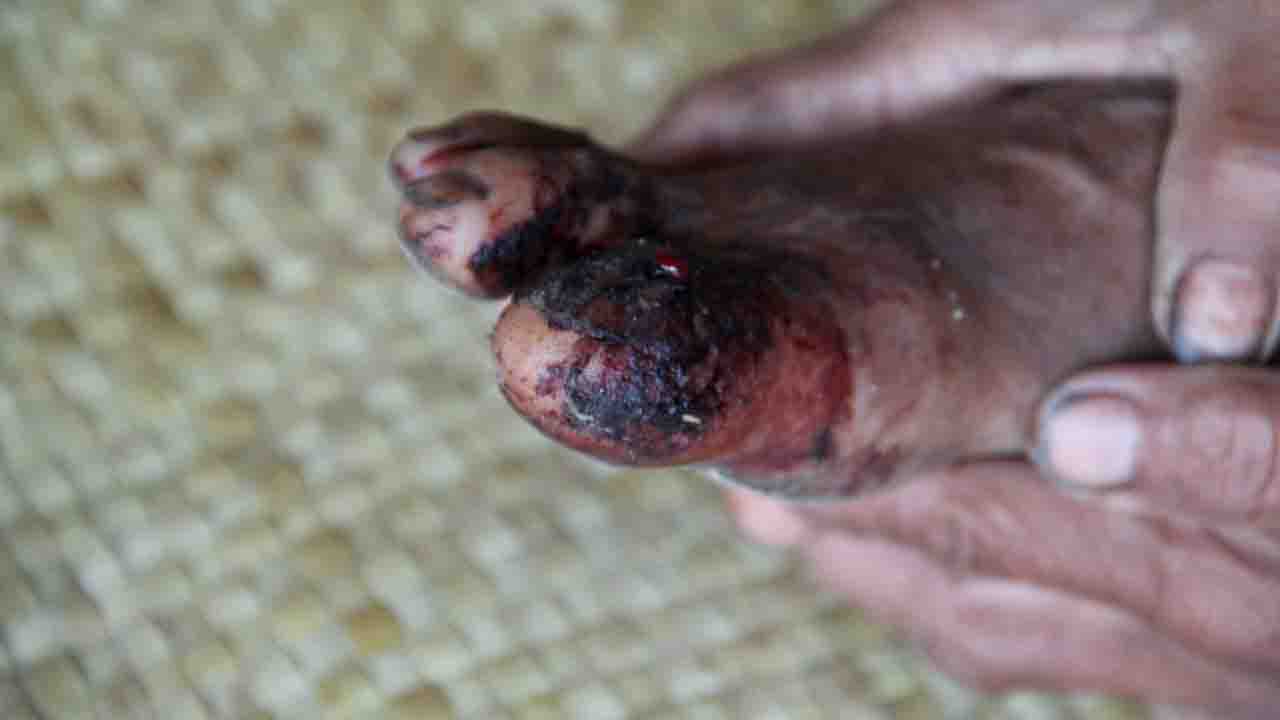
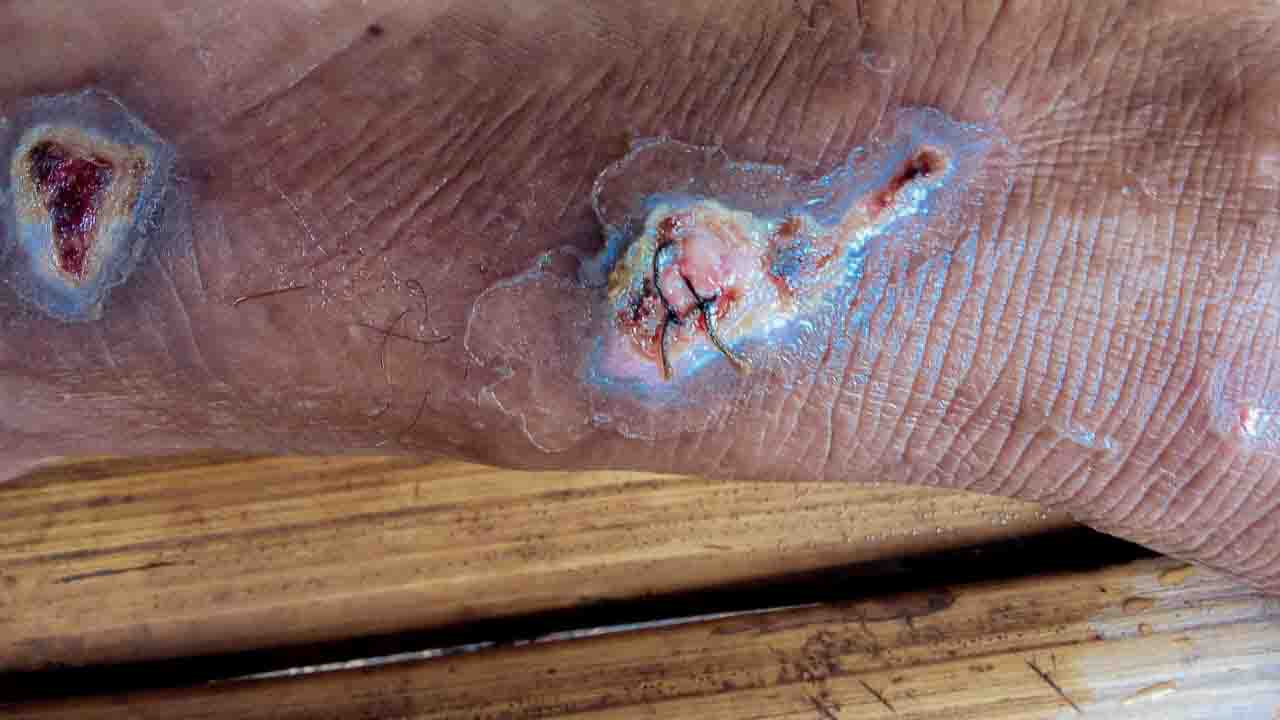
In many ultra-rural regions, pain is not treated. It is endured. A deep wound left open for days, a fracture immobilised with wood and cloth, a postpartum infection without analgesia, a child with fever unable to rest. In the absence of care, people turn to what is available. Brake fluid applied to wounds, diesel or gasoline used as disinfectants, and coffee grounds pressed into open injuries. These practices are not choices made lightly, but responses to the lack of alternatives. Pain becomes constant, normalised, and invisible, as described in global health analyses (Lancet Commission).
Clinically, untreated pain is not harmless. It is a pathophysiological condition that alters recovery. Persistent pain triggers stress responses, elevating cortisol and heart rate, impairing immune function and delaying healing (National Library of Medicine). Patients eat less, sleep poorly, and avoid movement. Infections progress faster, wounds remain open longer, and recovery is compromised. In children, pain directly contributes to malnutrition and developmental delay. Pain management is not an accessory. It is part of the treatment itself.
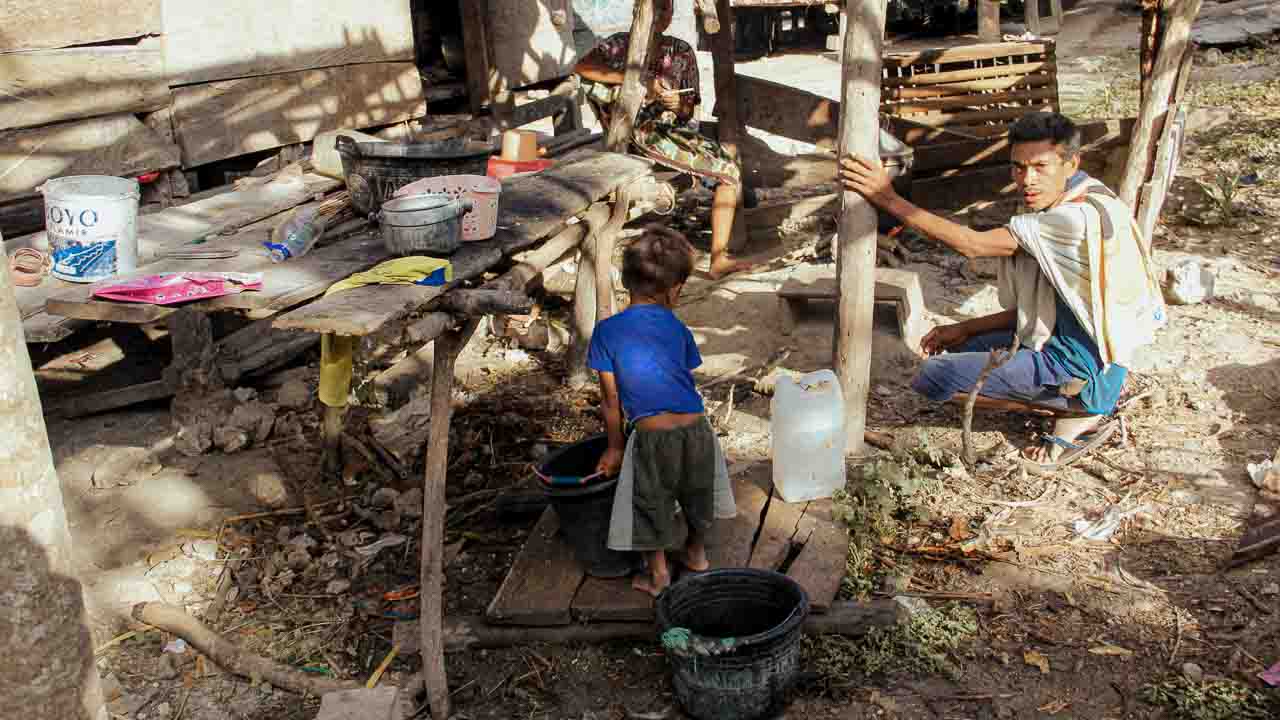
The causes are systemic. Essential analgesics are often unavailable or inconsistently supplied (WHO Essential Medicines). Health posts lack basic medications for weeks. Trained personnel are scarce, and many frontline workers are underpaid or unsupported. Misunderstanding of treatments further limits access. In such environments, pain is deprioritised because systems are built to respond late, as explored in health system failures and last-mile care gaps. Pain becomes a consequence of distance, poverty, and weak infrastructure.
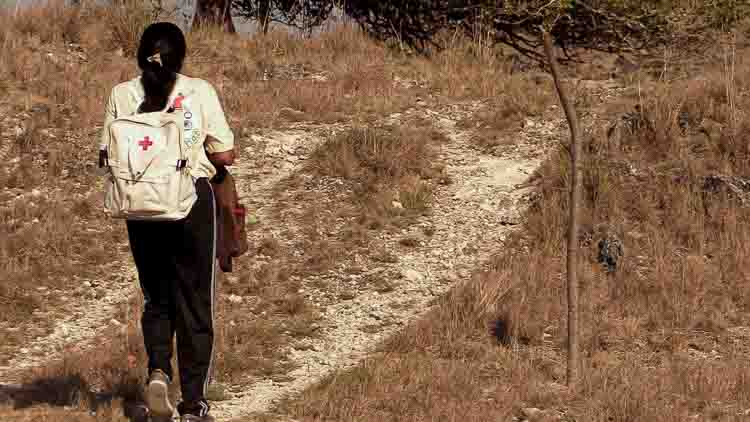
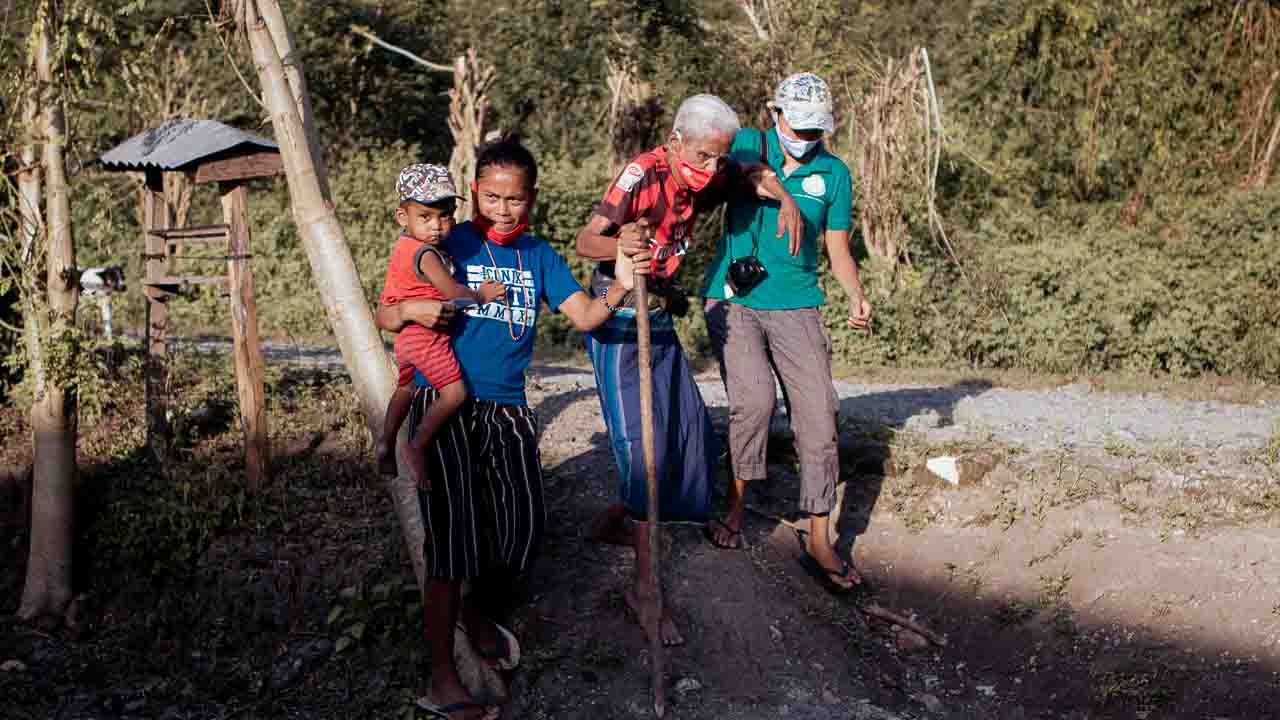
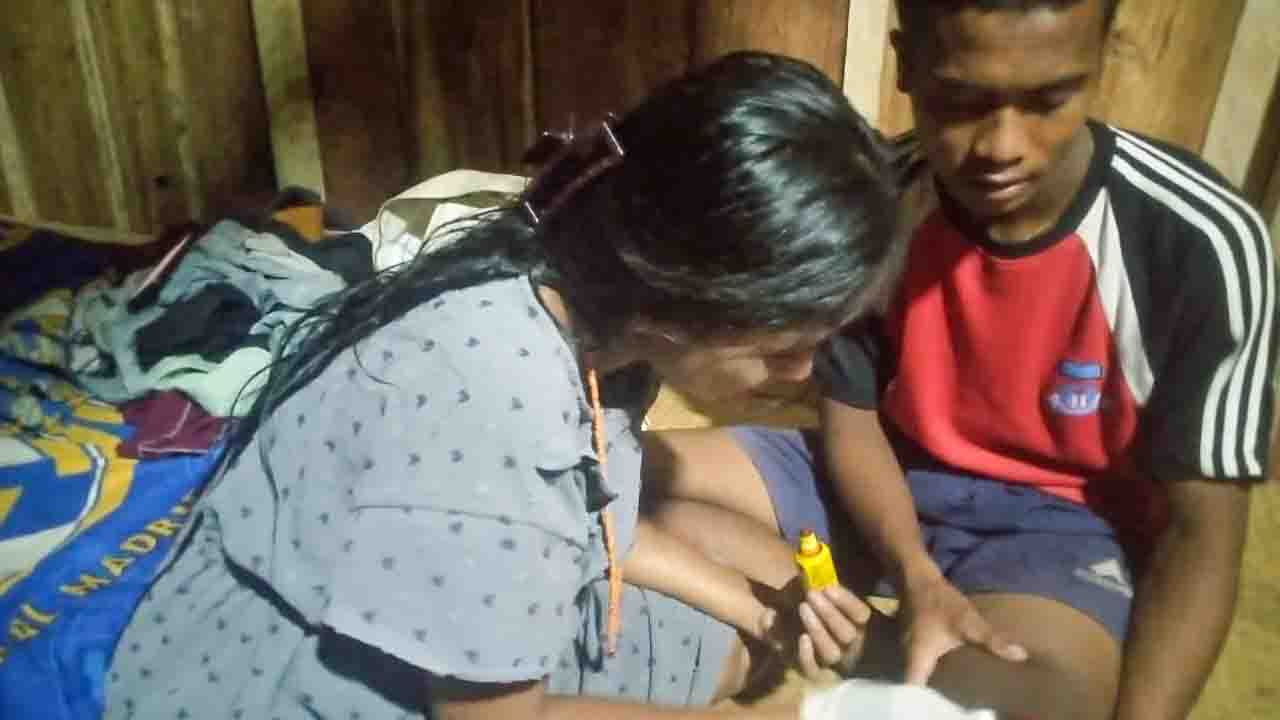
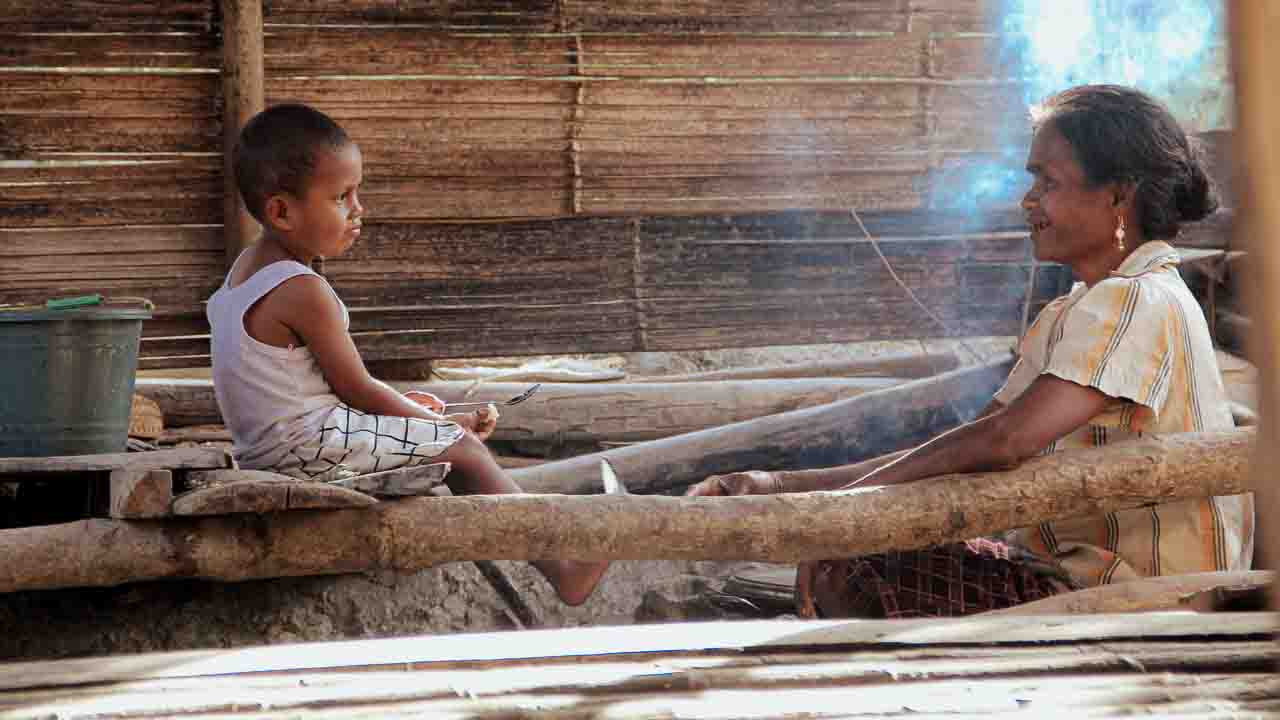
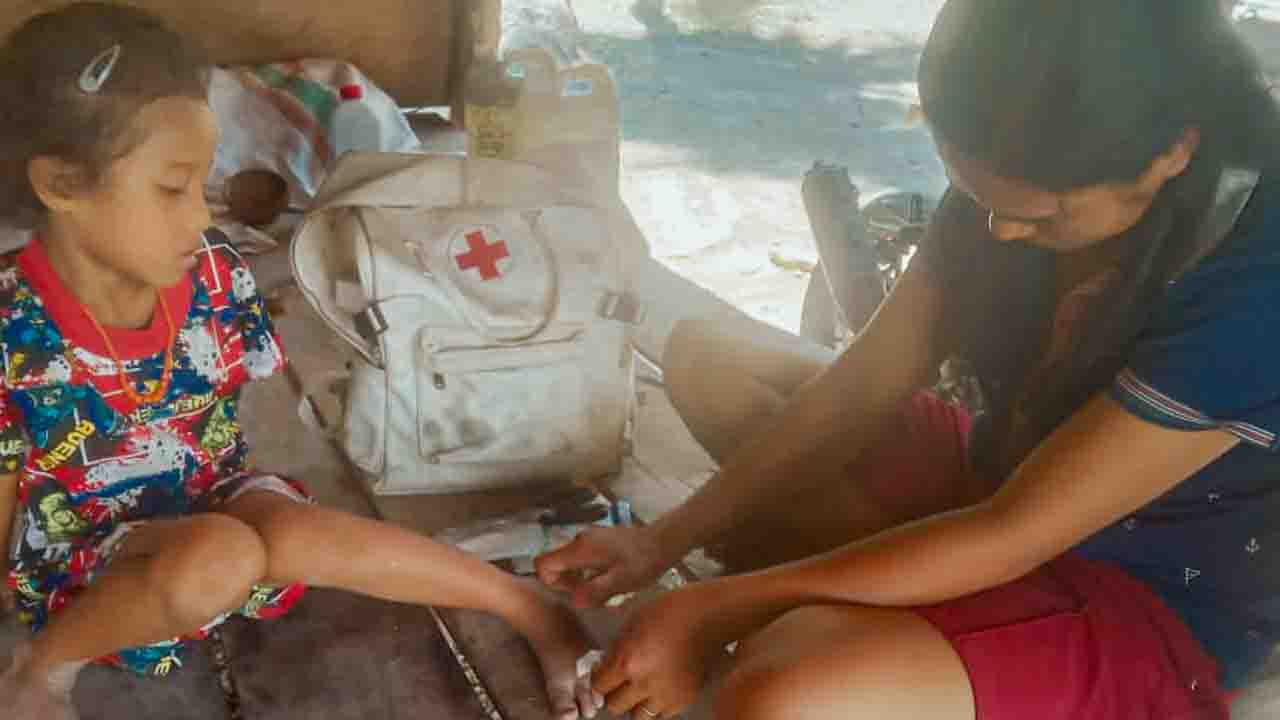
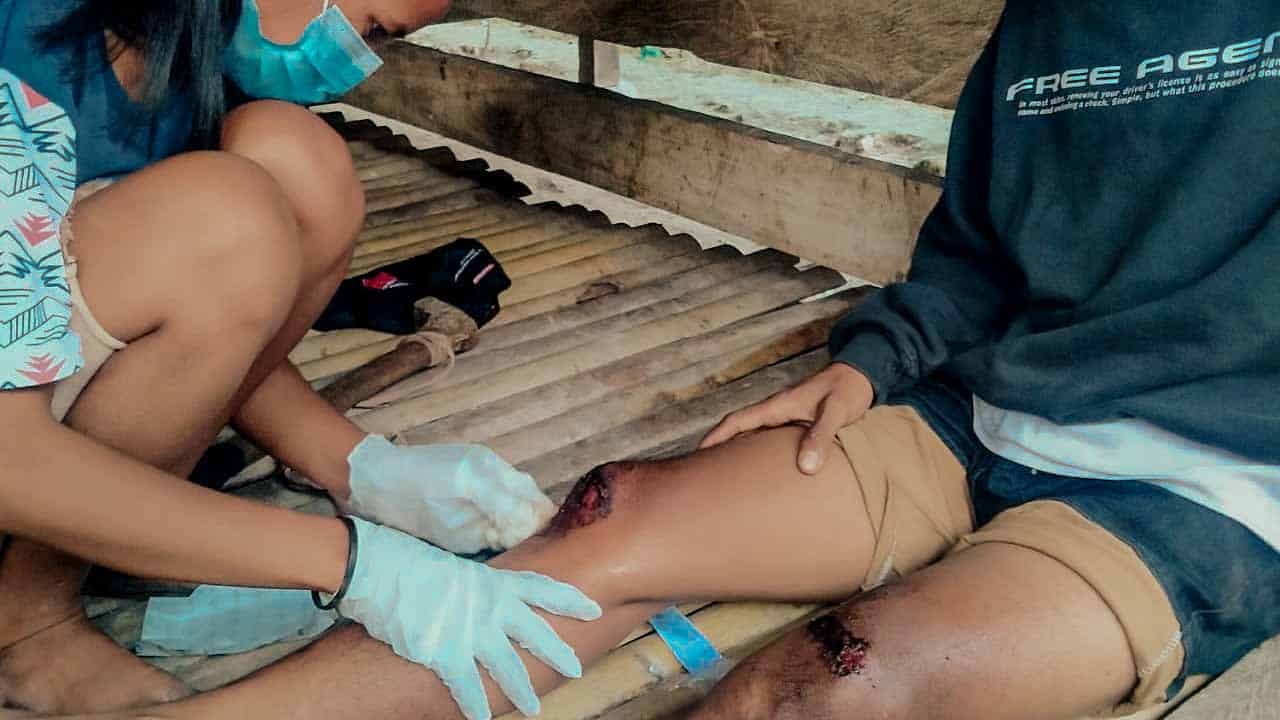
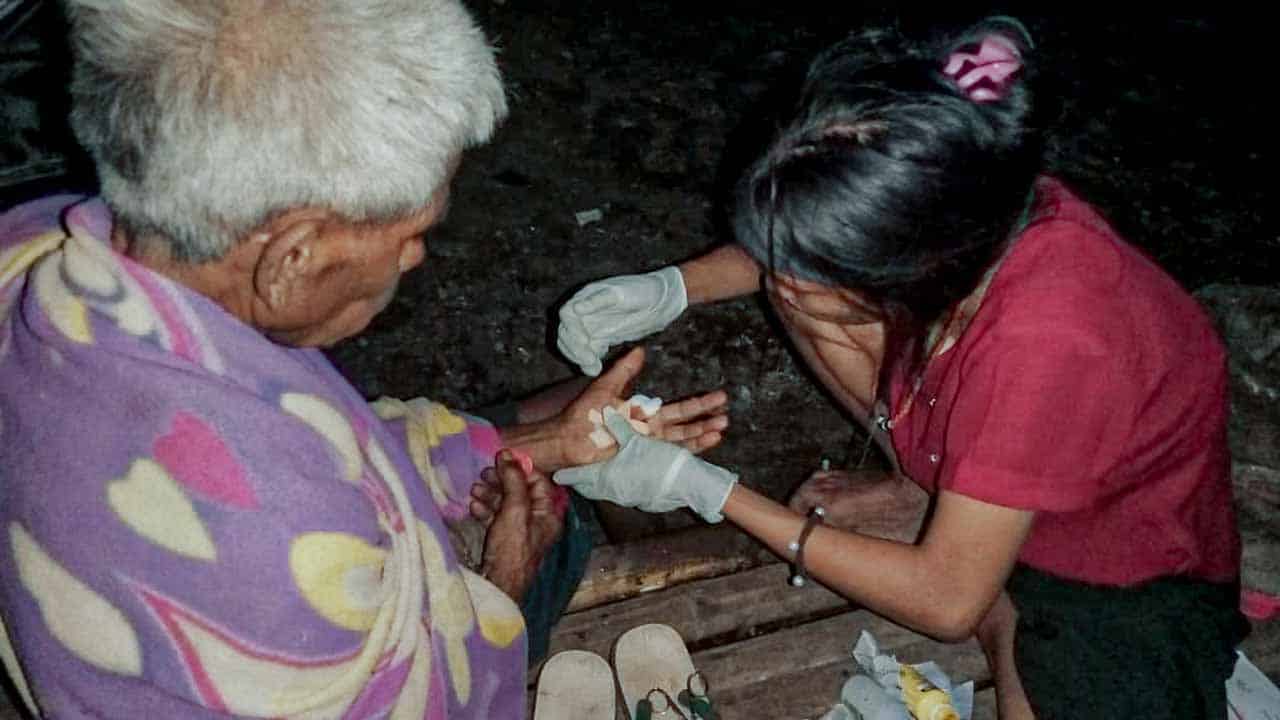
On the ground, this reality defines daily work. Within the Primary Medical Care programme, Kawan Sehat health agents are often the first and only providers. They assess pain during home visits, using simple clinical judgment. They clean wounds, provide basic analgesics, stabilise injuries, and explain why pain must be treated. They actively discourage harmful practices and replace them with safer ones. When needed, they refer patients, navigating distance and cost. This work reflects what we describe as logistics as medicine. Continuity of care remains fragile, but presence changes outcomes.
Relieving pain is not optional. It is a core responsibility of medicine, recognised globally (IASP). But it requires means: access to essential medicines, trained personnel, and functioning systems. Without these, pain persists unnecessarily, prolonging illness and worsening survival. Addressing pain is not complex. It is a matter of organisation and commitment. As seen across preventable deaths, untreated pain reflects systems that fail to reach patients. It is not inevitable. It is the result of gaps we can close.
Thank you for reading this article. Today, the 1st of April 2026 | Alex Wettstein
In Short – Pain is a clinical emergency
Pain is often seen as secondary, but in reality it accelerates deterioration. Without relief, patients eat less, move less, and heal slower. In remote settings, this transforms minor conditions into life-threatening situations. Treating pain early is one of the simplest and most effective medical interventions available.
Treating Pain Where Medicine Does Not Reach

List of Related Organisations with Hyperlinks
- World Health Organisation: WHO defines access to essential medicines and pain relief as fundamental to health systems, yet many rural populations remain excluded from basic care.
- The Lancet Commission on Pain Relief: This commission highlights the global burden of untreated pain and the urgent need for accessible, low-cost pain management strategies worldwide.
- International Association for the Study of Pain: IASP provides scientific evidence on pain as a disease and promotes global standards for pain assessment and treatment in all care settings.
- Médecins Sans Frontières: MSF delivers emergency medical care in underserved regions, including pain management in conflict zones and remote environments.
- The Global Fund: The Global Fund supports health systems strengthening and access to treatment, including addressing gaps in essential medicines in low-resource settings.
- UNICEF: UNICEF works to improve child health globally, including access to basic care, pain management, and treatment for infections in vulnerable populations.