

Donate
Support Care
Programs
All projects
Quick News
Field updates
Stories
Field stories
Documentation
Visit our Documentation Page for official documents, guidelines, reports, and resources on the Fair Future Foundation. We promote transparency—browse and download what you need to understand our operations and goals!
Fair Future Foundation documentation, reports and policies
Legal, financial and ethical records, transparent and public

Conducting malaria research in Umalulu to develop urgent health solutions for affected communities.
Official Documentation of the Fair Future Foundation
Our work is founded on transparency, accountability, and public trust. This page provides direct access to all essential documents related to the Fair Future Foundation, offering a comprehensive and honest overview of our mission, principles, and the tangible outcomes of our actions.
Here, you will find our mission statement, our Child Protection Policy, and a detailed presentation of our six fundamental ethical pillars at the heart of our commitment to integrity and human dignity. You can also explore our official annual activity reports, our financial statements—independently audited and unequivocally approved by the Swiss Confederation since 2008—and legal documents, partnerships, and collaborative agreements.
We also provide practical information on how to support our programmes and downloadable resources such as our official logos, visual guidelines, and approved communication materials in English and French. These resources are available to assist you in sharing our story and values with others.
Whether you seek detailed financial data, strategic documents, or assets to promote Fair Future’s work, this section serves as your reference point. It reflects who we are and how we operate—with rigour, clarity, and a deep commitment to those we serve.
For further information or specific requests, do not hesitate to contact us.
Alex Wettstein – Fair Future Foundation – Updated in January 2025
Our last News
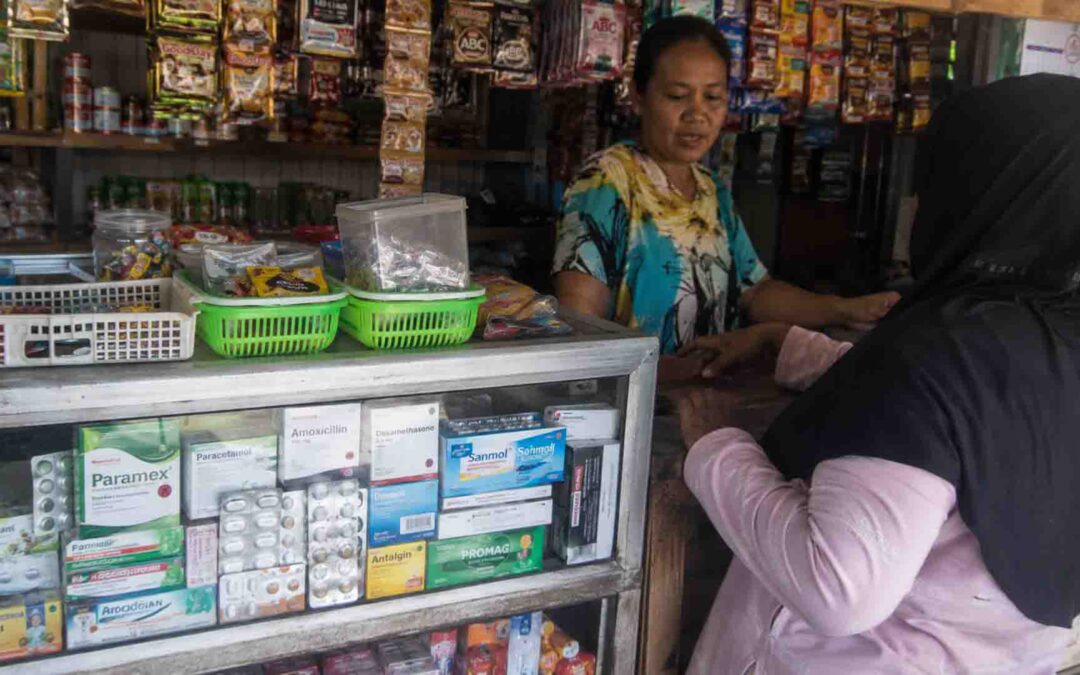
Self-Medication Rural Indonesia | Safe Medicine
Self-Medication and the Collapse of Safe Medicine in Rural Indonesia In many rural villages of Indonesia, medicine is everywhere, but medical care is almost absent. Tablets are sold in small shops, antibiotics can be bought without a prescription, injectable...
Our documents and visual materials
Fair Future Documentation
We have compiled all official documents related to the Swiss Foundation, including statutes, declaration of pure public utility, tax exemptions, and the commercial register. Any missing documents may have been accidentally omitted from this platform. If so, please contact us via email.
Our Mission, a key document that guides us every day
Empowering Communities with Health, Education, and Vital Resources
The Fair Future Foundation is dedicated to bringing health care, education, and vital resources to some of the most marginalised and vulnerable communities. Guided by a deep respect for local traditions, beliefs, and customs, our work focuses on sustainable development, enabling communities to build brighter, healthier futures.
Renforcer les capacités des communautés en matière de santé, d’éducation et de ressources vitales
La Fair Future Foundation se consacre à apporter des soins de santé, une éducation et des ressources vitales à certaines des communautés les plus marginalisées et les plus vulnérables. Guidé par un profond respect des traditions, des croyances et des coutumes locales, notre travail se concentre sur le développement durable, garantissant que les communautés puissent se construire un avenir meilleur et plus sain.
Child Protection Policy – Safeguarding Children’s Rights
Discover the Fair Future Foundation's Child Protection Policy, which is dedicated to safeguarding children's rights, dignity, and well-being in ultra-rural communities. Learn more about our commitment to protecting children from exploitation, abuse, and harm in all our humanitarian projects.
Découvrez la politique de protection de l'enfance de la Fair Future Foundation, qui vise à protéger les droits, la dignité et le bien-être des enfants dans les communautés ultra-rurales. Apprenez-en plus sur notre engagement à protéger les enfants contre l'exploitation, les abus et les préjudices dans tous nos projets humanitaires.
Foundation Charter & Ethical Framework
Foundation Charter and Ethical Code – Governance, Medical Ethics and Operational Standards
This Charter defines the identity, governance and ethical foundation of Fair Future Foundation. Updated on 20 February 2026, it formalises our medical mission, scientific methodology, child safeguarding principles, environmental responsibility, financial transparency and data protection standards. It reflects our Swiss governance structure and our unified operational framework in Indonesia, ensuring that every intervention remains ethical, evidence-based and accountable.
Foundation Charter and Ethical Code – Version 3.0 (PDF, English, updated 20 February 2026)
Official charter defining governance, mission, clinical standards, child protection, environmental responsibility, data protection and financial transparency principles.
Accounts approved by the Swiss Confederation
Annual Financial Reports – Approved by the Swiss Confederation
Since 2011, Fair Future Foundation’s financial accounts have been officially audited and approved every year by the Swiss Confederation, our independent auditor, and our Foundation Board. This rigorous validation ensures full transparency and accountability in how we allocate funds. With 93% of donations directly supporting field programs, these reports demonstrate our unwavering commitment to responsible financial management and impactful humanitarian action.
- .PDF - FR | The approved and validated accounts 2024
- .PDF - FR | The approved and validated accounts 2023
- .PDF - FR | The approved and validated accounts 2022
- .PDF - FR | The approved and validated accounts 2021
- .PDF - FR | The approved and validated accounts 2020
- .PDF - FR | The approved and validated accounts 2019
- .PDF - FR | The approved and validated accounts 2018
- .PDF - FR | The approved and validated accounts 2017
- .PDF - FR | The approved and validated accounts 2016
- .PDF - FR | The approved and validated accounts 2015
- .PDF - FR | The approved and validated accounts 2014
- .PDF - FR | The approved and validated accounts 2013
- .PDF - FR | The approved and validated accounts 2012
- .PDF - FR | The approved and validated accounts 2011
Fair Future Activity Annual reports
Annual Activity Reports – 2011 to 2025
From 2011 to 2025, the Fair Future Foundation published annual activity reports endorsed by the Swiss Confederation. Since then, as an organisation actively involved abroad with Board members working in the field, we now showcase our impact daily on our website. Our site features regular updates, articles, quick news, and real-time reports, offering a transparent and dynamic view of our ongoing efforts. Additionally, our financial accounts are audited and approved annually, maintaining trust and accountability.
- Annual Report for 2025 - Disponible également en français ici.
- Annual Report for 2024 - Disponible également en français ici.
- Annual Report for 2023
- Annual Report for 2022
- Annual Report for 2021
- Annual Report for 2020
- Annual Report for 2019
- Annual Report for 2018
- Annual Report for 2017
- Annual Report for 2016
- Annual Report for 2015
- Annual Report for 2014
- Annual Report for 2013
- Annual Report for 2012
Our Collaboration with Rotary International
Memorandum of Understanding with Rotary International
Fair Future Foundation and Rotary International have formalized their collaboration through a Memorandum of Understanding (MOU). This agreement defines our shared commitment to providing medical care, clean water, and essential aid to underserved communities. It outlines our respective roles, responsibilities, and joint efforts to drive impactful, sustainable solutions.
Rotary Australia’s Letter of Recommendation
Fair Future Foundation is honored to share this letter of recommendation from Rotary Australia. This endorsement highlights the impact and quality of our work in providing medical care, clean water, and essential aid to those in need. Recognized by Rotary International, this letter reinforces our dedication to sustainable solutions and community-driven action.
Donate for a 5350 liter ferrocement tank
From Rain to Life: The Power of Ferro-Cement Tanks
A ferro-cement water tank means health, time, and hope for rural families. Built to last over 10 years, each tank stores 5,000+ litres of safe water right where it’s needed most. Download the document to discover how it works — and join us in funding a tank that can change the future of an entire community.
De la pluie à la vie : la puissance des réservoirs en ferrociment
Un réservoir d'eau en ferrociment est synonyme de santé, de temps et d'espoir pour les familles rurales. Conçu pour durer plus de 10 ans, chaque réservoir stocke plus de 5 000 litres d'eau potable là où les besoins sont les plus importants. Téléchargez le document pour découvrir son fonctionnement et participez au financement d'un réservoir qui peut changer l'avenir de toute une communauté.
QR Payment Slip
You can find a QR payment slip available here to donate. Thank you very much.
- Download the QR payment slip here
Legal documents in french
Program Documentation & Field Research
This section provides structured documentation of Fair Future Foundation’s programs in East Sumba. It includes field studies, operational reports, technical audits, prevention strategies and implementation frameworks. Each document reflects our commitment to evidence-based action, transparency, and measurable impact in ultra-rural health, water and electrification initiatives.
Malaria Prevention Initiative - Mahu 2023
Controlling Malaria Transmission in East Sumba – Mahu District Red Zone Intervention
In 2023, Fair Future Foundation implemented a targeted malaria prevention initiative in Mahu District, one of East Sumba’s highest-incidence “red zones”. The programme combined vector control, early diagnosis using RDTs and microscopy, public awareness campaigns, and digital surveillance mapping.
Operating in remote villages such as Lulundilu, Haray, and La Hiru, the project addressed environmental risk factors, community vulnerability, and limited access to diagnostic tools. The intervention integrated indoor residual spraying, distribution of treated nets, education campaigns, and systematic early detection to interrupt transmission chains and strengthen local response capacity.
The initiative was designed in line with public health principles focused on prevention, early case management, surveillance, and intersectoral coordination with local health authorities.
Malaria Prevention Initiative – Sumba Timur 2023 – (PDF, English, 2023)
Technical project proposal outlining the epidemiological context in East Sumba, a vulnerability analysis in Mahu District, and an integrated intervention strategy combining vector control, early detection via RDT and microscopy, public awareness campaigns, and digital surveillance mapping.
CHF Fighting Malaria – Detailed Budget and Operational Breakdown 2023 – (PDF, English, June–July 2023)
Comprehensive financial and operational document detailing indoor residual spraying, distribution of insecticide-treated nets and preventive materials, education activities, coordination with district health authorities, laboratory analysis, volunteer mobilisation, logistics, and the full project cost structure.
Zero Malaria Report – East Sumba Field Implementation Report 2023 – (PDF, English, October 2023)
Final field implementation report presenting operational deployment in Mahu District red zone villages, coordination with local health services, surveillance mechanisms, environmental actions, and outcomes of vector control and early diagnostic interventions to reduce malaria transmission.
Tana Mbanas 2023 – Water Connections Project
Tana Mbanas Clean Water Infrastructure and Rainwater Harvesting System
This section documents the design and implementation of the Tana Mbanas Water Connections project in East Sumba. It combines rainwater harvesting, ferrocement reservoir construction, controlled distribution systems, and reverse osmosis drinking water filtration. The project integrates engineering precision with community training, ensuring safe access to water, long-term maintenance capacity, and reduced health risks in an ultra-rural setting.
2023-10 – Tana Mbanas – Water Connections (PDF, English, October 2023)
Project proposal outlining the technical design and operational framework of the Tana Mbanas clean water system. The document details the rainwater harvesting structure, ferrocement reservoirs, pump and control systems, and reverse osmosis drinking water filtration strategy, with emphasis on sustainability and public health impact.
2023-12 – Tana Mbanas Project Report (PDF, English, December 2023)
Final implementation report covering construction progress, system installation, water distribution controls, filtration performance, and field supervision. The report presents technical validation, operational outcomes, and lessons learned from on-site execution in Tana Mbanas.
2023-12 – User Guideline – Tana Mbanas Water Connections (PDF, English, December 2023)
Technical guidebook for system operation and maintenance. It explains the distribution control scheme, ferrocement reservoir construction steps, rainwater filtration process, and reverse osmosis system components. Designed for local operators to ensure safe usage, monitoring, and long-term functionality.
Laindatang – Water Connections & Malaria Project
Laindatang Water Connections – Four Phases, Three Years
For three years in Laindatang, we built far more than a reservoir. Across four phases, we constructed around fifteen tanks from 5,000 to 115,000 litres, installed sanitation facilities, buried kilometres of piping, implemented malaria prevention programs, and engaged the entire community. We even endured a nine-month failed drilling attempt. Phase IV now concludes this long, field-based effort, grounded in resilience, precision, and trust.
Phase 1
Laindatang Water Connections – Phase I: Clean Water Access and Malaria Early Detection. (PDF, English, January–October 2023 – Project Proposal).
Initial proposal for the first phase of the Water Connections program in Laindatang, East Sumba, combining improved access to clean water and sanitation with early malaria detection and community health screening. The project includes rainwater harvesting improvements, reservoir rehabilitation, sanitation facilities, road access repairs, and malaria testing using rapid diagnostic tests to reduce disease risks in this isolated community.
Laindatang Water Connection & Malaria Prevention – Financial Report. (PDF, English, 2023)
Detailed financial report presenting the implementation costs of Phase 1 of the Water Connections and malaria prevention programme in Laindatang. The document summarises infrastructure repairs, water systems rehabilitation, sanitation construction, malaria prevention activities, and operational expenses supporting field operations in remote East Sumba communities.
Laindatang Water Connection & Malaria Prevention – Budget Overview. (PDF, English, 2023)
Project budget detailing the planned financial allocation for Phase 1 of the Clean Water Access and Malaria Early Detection initiative in Laindatang. The document outlines costs related to infrastructure improvements, water storage systems, sanitation facilities, malaria prevention activities, logistics, and operational support.
Laindatang Water Connection & Malaria Prevention – Detailed Expenditure Breakdown. (PDF, English, 2023)
Comprehensive expenditure breakdown listing all transactions and payments associated with the Laindatang Water Connection and malaria prevention project. The document provides a transparent accounting of materials, logistics, community activities, malaria diagnostic tools, prevention equipment, and operational costs.
Phase 2
2024-07 — Laindatang Water Connections – Initial Proposal (PDF, English, July 2024)
Project proposal presenting the technical concept and implementation strategy for Phase II of the Water Connections program in Laindatang. The document outlines planned water infrastructure, ferrocement reservoir construction, sanitation components, community engagement strategy, and the expected public health benefits for families and children in this ultra-rural village.
2024-07 — Laindatang Water Connections Phase II – Budget (PDF, English, July 2024)
Detailed financial framework for Phase II of the Water Connections project in Laindatang. The document provides a breakdown of construction materials, reservoir infrastructure, piping systems, sanitation facilities, transport logistics, and operational costs required to implement the clean water system in this remote community.
2024-07 — Laindatang Water Connections Phase II – Implementation Report (PDF, English, July 2024)
Technical report documenting the execution of Phase II of the Water Connections program in Laindatang. It summarises construction activities, reservoir installation, sanitation works, community participation, and field supervision, while presenting the operational outcomes and the health and water access improvements achieved for the village.
2024-07 — Laindatang Water Connections Phase II – Financial Receipts (PDF, English, July 2024)
Compilation of financial receipts and supporting documentation related to Phase II of the Water Connections project in Laindatang. The file provides transparent accounting records for construction materials, equipment purchases, and operational expenses incurred during the implementation of the clean water infrastructure.
Laindatang Water Connections – Project Development Steps 2 & 3. (PDF, English, 2024).
Technical document presenting the second and third development phases of the Water Connections programme in Laindatang. It details the expansion of water storage infrastructure, additional reservoirs, and community systems designed to secure long-term access to clean water. These phases prepared the final stage of the project, culminating in the construction of the large 115,000-litre reservoir completed in 2026.
Phase 3
Laindatang Water Connections – Phase III Project Report. (PDF, English, 2024 – Project Report)
Technical and operational report describing the third phase of the Water Connections program in Laindatang, East Sumba. The document presents the local water crisis, field activities, infrastructure development, community participation, and the implementation of sustainable clean-water solutions.
Laindatang Water Connections – Phase III Financial Report. (PDF, English, 2024 – Financial Report)
Detailed financial report for Phase III of the Water Connections program in Laindatang. The document provides a transparent overview of project expenditures, construction costs, logistics, and resource allocation related to the development of clean water infrastructure.
Phase 4
Laindatang Water Connections – Phase IV – 110 m³ Reservoir Blueprint. (PDF, English, 2024 – Technical Plan)
Detailed engineering blueprint and construction plan for the 110 m³ reinforced concrete water reservoir built in Laindatang as part of Phase IV of the Water Connections program. The document includes structural drawings, dimensions, inlet and outlet systems, roof catchment design, and technical specifications used for the construction completed between May and August 2025.
Laindatang Water Connections – Phase IV Final Report, Sumba Timur. (PDF, English, 03.03.2026 – Final Technical & Impact Report).
Download the complete documentation detailing the construction of the 114 m³ reinforced concrete rainwater reservoir, including technical specifications, community engagement process, monitoring results, financial transparency, and operational handover to the Village Water Committee.
Laindatang Water Connections – Reservoir 114 m³ Signboard. (PDF, English, August 2025 – Project Signboard)
Official signboard installed at the Laindatang reservoir site presenting the 114 m³ clean water storage facility built during Phase IV of the Water Connections program. The document includes project identification, technical schematic drawings, partners involved, and information about the community water infrastructure completed in August 2025.
Laindatang Water Connections – Phase IV Construction Receipt. (PDF, August 2025 – Official Receipt)
Official construction receipt issued by CV. GNADE confirming the completion of the groundwater reservoir built in Laindatang village as part of Phase IV of the Water Connections program. The document details the construction of the 110 m³ clean water storage tank and confirms the final project cost of IDR 251,517,375, in accordance with the construction agreement dated 11 February 2025.
Malaria - Sumba Timur - The Umalulu Study 2025
From March to July 2025, Fair Future led the first-ever door-to-door baseline malaria study in Umalulu, East Sumba.
Together with local cadres, Puskesmas staff, and international partners, 269 households were surveyed and 460 residents interviewed. The research reveals how inconsistent net coverage, poor sanitation, limited access to care, and nightly exposure sustain high malaria transmission. These findings now guide targeted prevention, improved WASH measures, and community-based testing strategies.
- PDF – Scientific Report (IMRaD format) | This version, structured for academic and policy use, presents methods, results, discussion, and limitations in a concise scientific format (4.5mb).
- PDF – Fair Future Foundation FULL Report | A comprehensive version incorporating social impact, medical findings, and an action roadmap for communities, local authorities, and partners (34mb).
- PDF – ARAM Technical & Financial Report | Prepared for Rotarians Against Malaria (ARAM), this edition includes baseline study results, financial reporting, and supporting documents (0.5 MB).
East Sumba Malaria Prevention Project 2025
This section provides full documentation of the East Sumba Malaria Prevention Project 2025.
The project combined community awareness, laboratory strengthening, indoor residual spraying, mosquito net distribution and structured monitoring to support East Sumba’s 2028 malaria elimination strategy. All core documents, including proposal, final report and full financial transparency files, are available below.
Download East Sumba Malaria Prevention 2025 – Project Proposal (PDF – English)
Official proposal issued 20 August 2025 outlining objectives, timeline, budget (CHF 11,867) and integrated WHO-aligned prevention strategy in Umalulu and surrounding districts.
Download East Sumba Malaria Prevention 2025 – Final Report (PDF – English)
Comprehensive final report detailing implementation phases, IRS operations, ITN distribution (146 nets), laboratory training for 28 analysts and measured community impact.
Download East Sumba Malaria Prevention 2025 – Full Financial Records (ZIP)
Complete accounting documentation including invoices, operational expenses, procurement records and budget reconciliation for full financial transparency.
Hambarita – Final Reports of Eight Ferrocement Reservoirs 2025
From April to August 2025, Fair Future and Kawan Baik Indonesia led the Hambarita Water Connections programme in Mbatakapidu, East Sumba. Working with local families, volunteers, and partners, we constructed eight ferrocement tanks, each holding 4,400 to 5,300 litres. These tanks now supply daily drinking water to 151 people from 34 families.
This report highlights the complex logistics and community participation required to complete such a project. Families contributed labour, repaired roads to allow trucks to pass, and participated in the construction of the tanks. The process demonstrates that water is not merely infrastructure; it is linked to health, dignity, and survival.
Clean water prevents many diseases, reduces the burden of long walks, and frees up time for education and work. As we always say: “-clean water is the cheapest medicine”. These reservoirs are proof that basic human rights—access to health, well-being, and life—start with water.
Hambarita Water Connections – Ferrocement Water Tanks Proposal. (PDF, English, February 2025 – Project Proposal)
Project proposal describing the construction of seven 5,000-litre ferrocement rainwater reservoirs equipped with rainwater harvesting and filtration systems for the village of Hambarita, East Sumba. The document presents the local water access challenges, technical design of the ferrocement tanks and filtration system, community participation model, and the operational framework developed to improve access to safe water in this remote area.
PDF – Hambarita Final Report | This edition provides a full account of the Water Connections programme, including construction details, costs, community involvement, and the impact on families’ health and daily lives (12 MB).
- Download the Wai Ma Hammu Tank Report (4,400 litres) – Full details on construction, usage, and health impact.
- Download the Wai Kahingir Tank Report (4,400 litres) – Technical data and benefits for local families.
- Download the Wai Ma Njanjar Tank Report (5,300 litres) – Insights into water flow and community use.
- Download the Wai La Wurung Tank Report (5,300 litres) – Information on capacity, hygiene, and everyday needs.
- Download the Wai Maringu Tank Report (5,300 litres) – Cold water storage that improves health and well-being.
- Download the Wai Pandulang Tank Report (5,300 litres) – Rescue water tank supporting rural households.
- Download the Wai Pa Luri Wangu Tank Report (5,300 litres) – Water for life, sustaining families in Hambarita.
- Download the Wai La Padang Tank Report (5,300 litres) – Water in the field, bringing clean water closer to homes.
Solar Electrification & SolarBuddy 2025
This section compiles key documentation for our solar electrification programs in East Sumba.
It includes SolarBuddy distribution frameworks, school electrification protocols, technical guidelines, impact reports and implementation standards. Beyond lamp delivery, these documents reflect our structured approach to energy access, child education, hygiene integration and long-term sustainability in schools and villages without electricity.
Light Up The Future – SolarBuddy 2025 Proposal (ENG, PDF) – Initial project proposal – January 2025. Detailed objectives, logistics, budget and distribution framework before implementation in East Sumba.
Terangi Masa Depan – Proposal SolarBuddy 2025 (IND, PDF) – Proposal awal – Januari 2025. Rincian tujuan, logistik, anggaran dan rencana distribusi sebelum pelaksanaan program di Sumba Timur.
Download the SolarBuddy Light & Hygiene Guidelines (PDF). Every child who receives a lamp also receives this document. One lamp, one guide. Thousands are designed, printed and distributed each year to ensure safe use, responsibility and preventive health in schools without electricity.
Download the SolarBuddy Water Bucket Health & Hygiene Sticker (PDF – Indonesian) – Official label placed on 50L school handwashing containers combining solar lamp care and preventive health messages.
Download JuniorBuddy Technical Specifications (PDF) – Features, durability standards, and solar charging performance details.
Download StudentBuddy Technical Specifications (PDF) – Advanced solar lighting system with digital charging capabilities and IP54 protection.
Download SolarBuddy Distribution Report 2025 (PDF – English) – Field implementation report detailing logistics, school outreach, PHBS campaigns and distribution data in East Sumba.
Download SolarBuddy Project Report 2025 (PDF – English) – Comprehensive program overview including procurement, quality control, official handover and financial transparency.
2022 - 2026 - On Going - Primary Medical Care – Program Documentation
Bringing Structured Healthcare to the Most Remote Communities
This section presents the full documentation of our Primary Medical Care program in East Sumba, from the initial field study in 2022 to structured implementation cycles through 2025.
The program strengthens frontline healthcare in ultra-rural communities through trained Kawan Sehat agents, standardised clinical protocols, medicine supply chains, supervision missions and digital reporting systems. Built on field research, aligned with public health priorities and coordinated with local authorities, the initiative focuses on early diagnosis, infection prevention and continuity of care.
These documents reflect a progressive system-building approach rather than isolated interventions. They demonstrate how community-based primary care can be structured, monitored and sustainably integrated into rural health ecosystems.
Primary Medical Care – Donation Request (Part 2), 2022 (PDF, English/Indonesian financial tables)
Detailed operational and budget breakdown for the early implementation phase of the Primary Medical Care programme in 2022, including training activities, first-aid kit distribution, logistics, and financial allocation. This document reflects the initial structuring of community-based primary care in East Sumba.
Primary Medical Care – Program Timeline, November–December 2022 (PDF, English)
Operational timeline outlining the first Primary Medical Care training cycle, including module development, transport with the Truck of Life, first-aid kit procurement, and structured three-day training sessions for rural participants. A foundational document marking the programme’s launch phase.
Download Primary Medical Care – Field Study Narrative Report (29 June–07 July 2022) (PDF – English)
Initial field study conducted in Waingapu, East Sumba, assessing rural health conditions, traditional medicine practices, emergency response gaps and community needs. This qualitative research report documents interviews, Puskesmas data collection and the groundwork that shaped the Primary Medical Care training modules and implementation strategy.
Download Primary Medical Care – Round II Report (Nov 2023–Jan 2024) (PDF – English)
Operational report detailing medication refills for Kawan Sehat first aid kits, medical team field assistance, structured case evaluation and the introduction of digital case-recording systems. The document outlines the strengthening of community-based primary healthcare delivery in rural East Sumba.
Download Primary Medical Care – Round II Implementation Report (Nov–Dec 2023) (PDF – English)
Early implementation report focusing on first aid kit replenishment, monitoring visits, medical supervision and the evaluation of community-managed cases. The document highlights programme governance, field coordination and the progressive integration of standardised reporting tools.
Download Primary Medical Care 2024–2025 Project Proposal (PDF – English)
Strategic program proposal defining objectives, operational framework and alignment with national health priorities. The document details the standardised clinical protocols, training structure, equipment allocation and coordination model with local health authorities in East Sumba.
Download Primary Medical Care Quarterly Report I (Aug–Nov 2024) (PDF – English)
Implementation report presenting field execution, refresher training modules, referral system integration and structured health case reporting. The document outlines how community-based primary care strengthens early diagnosis, infection prevention and continuity of care.
Download Primary Medical Care 2025 – Quarterly Report II (Dec 2024–Mar 2025) (PDF – English)
Four-month implementation report detailing medicine replenishment cycles, structured field monitoring, PHBS education in schools and Posyandu, malaria RDT screening, maternal and child health services, and coordination with Puskesmas Kawangu. The document outlines program governance, reporting systems and alignment with district-level public health priorities.
2026 – Sumba Water Connections – 12 Ferro-Cement Rainwater Reservoirs
Sumba Water Connections – Construction of 12 Ferro-Cement Water Reservoirs in East Sumba
Access to safe water remains one of the most critical public health challenges in many rural areas of East Sumba. This project proposes the construction of twelve ferro-cement rainwater storage reservoirs and associated collection systems to improve access to clean water for families and schools in the villages of Mbatapuhu and Kawangu.
These durable and locally appropriate systems allow communities to collect, filter and store rainwater during the wet season, ensuring a more reliable supply during the long dry months and reducing exposure to water-borne diseases.
Sumba Water Connections – 12 Ferro-Cement Water Reservoirs Project (PDF, English, 6 March 2026)
Technical and operational presentation of the Water Connections project detailing the construction of twelve rainwater storage reservoirs, installation of filtration systems, community training, and the expected public health impact in rural East Sumba.
Sumba Water Connections – Construction de 12 réservoirs en ferro-ciment (PDF, français, 6 mars 2026)
Présentation complète du projet visant à améliorer l’accès à l’eau propre dans les villages ruraux de Mbatapuhu et Kawangu grâce à la construction de douze réservoirs en ferro-ciment, à l’installation de systèmes de collecte et de filtration des eaux de pluie et à la formation des communautés locales.
Water Connections – New Reservoir Design 2026. (PDF, English & French, May 2026 – Technical Development Document).
Presentation of the new ferrocement reservoir design introduced by Fair Future Foundation in 2026 as part of the ongoing evolution of the Water Connections programme. The updated model keeps the same 5,300-litre storage capacity while improving structural stability, transport logistics, assembly efficiency, and long-term durability for construction in ultra-rural villages of East Sumba.
2026 - New Socio-Medical Base Camp – Sumba HQ
Sumba HQ Project – Building a Sustainable Socio-Medical Headquarters in East Sumba
Since 2019, we have operated from Rumah Kambera, a rented base camp now too small and structurally deteriorating. To secure long-term medical and logistical capacity, we acquired land in Kawangu, near Waingapu. The new Sumba HQ is designed as an integrated socio-medical centre including a clinic, pharmacy storage, logistics areas, volunteer quarters and community spaces. Construction is planned to begin in 2026.
Fair Future New Socio-Medical Centre – East Sumba Project – (PDF, English, 7 December 2025)
Project presentation explaining the need to replace the rented Rumah Kambera base, the acquisition of 2,000 m² of land in Kawangu, and the vision for a permanent socio-medical centre integrating medical care, logistics, training facilities, and community spaces.
Fair Future – Nouveau Centre Socio-Médical Sumba Est – (PDF, français, 7 décembre 2025)
Document de présentation du projet de nouveau centre socio-médical destiné à remplacer Rumah Kambera. Il détaille l’acquisition du terrain à Kawangu, les infrastructures prévues et l’objectif de créer une base permanente adaptée aux activités médicales, sociales et logistiques de la fondation.
Sumba HQ – Initial Concept, Kawangu, Sumba Timur. (PDF, English, 20.02.2026 – Initial Concept).
Preliminary architectural concept presenting site location, zoning strategy, medical and logistics flows, and functional layout of the future Fair Future socio-medical headquarters planned for construction in 2026.
Rumah Kambera 2026 – Strategic and Architectural Dossier, Kawangu, East Sumba. (PDF, English, 04.06.2026 – Final Version).
Comprehensive strategic and architectural document presenting the structural rationale, operational impact, zoning plans, functional medical and logistics flows, projected schedule, and budget framework for the future Fair Future socio-medical headquarters in East Sumba.
Rumah Kambera 2026 – Dossier stratégique et architectural, Kawangu, Sumba-Est. (PDF, français, 04.06.2026 – Version finale).
Document stratégique et architectural complet présentant la justification structurelle du projet, son impact opérationnel, les plans de zonage, les flux médicaux et logistiques, le calendrier prévisionnel ainsi que le cadre budgétaire du futur centre médico-social Fair Future à Sumba-Est.
2026 - East Sumba Sepsis Study - SSS
East Sumba Sepsis Study – Understanding Severe Infections Before They Become Fatal
In May 2026, Fair Future Foundation and Kawan Baik Indonesia launched the East Sumba Sepsis Study, a field-based public health initiative designed to understand why severe infections and probable sepsis remain so common and deadly in ultra-rural regions of East Indonesia. The study documents how infections begin, why care is delayed, what barriers families face, and how health workers manage severe cases with the resources available to them.
East Sumba Sepsis Study – Healthcare Staff Questionnaire – Final Version – (PDF, English, May 2026) – Clinical questionnaire for healthcare professionals working in hospitals, Puskesmas, village health posts, laboratories, and outreach care. It explores the recognition, management, referral, and system constraints linked to severe infections and suspected sepsis in East Sumba.
East Sumba Sepsis Study – Household Survey – Final Version – (PDF, English, May 2026) – Detailed household questionnaire developed for field interviews across ultra-rural villages. It documents living conditions, access to care, recent severe illness, delays, referral pathways, medicine use, prevention messages, and the real decisions families face when someone becomes critically ill.
Logos and visual materials
Here is a compilation of logos and visuals associated with the Swiss Foundation. Please note that if any images or logos are absent, it may be due to oversight on our part. If so, please contact us by email here. thank you very much.
Fair Future Foundation Logos
Educational Posters for a Healthy Life
Health Education Posters for a Better Life
These educational posters are designed to help families in ultra-rural areas adopt healthier habits, prevent diseases, and enhance their overall well-being. They offer straightforward yet life-changing guidance, ranging from malaria prevention to hygiene, nutrition, and daily routines. Download them, share them, and empower your community. Four new posters are in preparation to expand this vital resource.
 Recognising Malaria Symptoms – A Life-Saving Guide

This poster helps ultra-rural families recognise early symptoms of malaria, including fever, chills, headache, fatigue, and others.
For most families who are unaware of the differences between cold symptoms and malaria symptoms, this awareness is crucial for seeking medical care in a timely manner, preventing complications, and saving lives in remote communities with limited access to healthcare.
Download this poster in English here or in Bahasa Indonesia here.
Publication date: 12.08.2023
Preventing Malaria – Simple Steps to Stay Safe

This poster educates ultra-rural families on how to prevent malaria through simple actions: sleeping under mosquito nets, avoiding stagnant water, wearing protective clothing, using repellents, and clearing tall grass.
These small steps reduce the risk of Plasmodium infection, protecting lives in isolated areas with limited medical access.
Download this poster in English here or in Bahasa Indonesia here.
Publication date: 25.07.2023
Clean Hands, Healthy Lives – The Right Way to Wash Your Hands

This poster emphasises the importance of proper hand washing to prevent disease. It teaches ultra-rural families and children how to wash their hands effectively with soap and clean water, following key steps: scrubbing all areas, rinsing thoroughly, and air-drying when possible.
As part of the Water Connections program, this initiative provides sinks and taps with safe water, ensuring improved hygiene and healthier communities.
Download this poster in English here or in Bahasa Indonesia here.
Publication date: 25.03.2024
The Four Pillars of a Healthy Life

This poster promotes daily habits essential for maintaining good health in ultra-rural communities. It highlights four key pillars: staying active through play and movement, eating nutritious foods for strength and energy, maintaining hygiene for both body and home to prevent illness, and resting adequately to recover and stay strong.
A simple daily routine can enhance well-being, ultimately leading to a healthier future for families and communities.
Download this poster in English here or in Bahasa Indonesia here.
Publication date: 10.04.2024
Fair Future’s Food Pyramid: Eat Well, Stay Healthy

This poster presents a custom food pyramid based on locally available resources for ultra-rural communities in East Indonesia. A man and a woman guide families in preparing nutritious daily meals using ingredients found nearby.
Following this pyramid helps create balanced, delicious meals, reduce malnutrition and disease risks for children and adults, and ensure stronger, healthier communities.
Download this poster in English here or in Bahasa Indonesia here.
Publication date: 10.03.2024
Healthy vs. Harmful Foods: Make the Right Choice

This poster highlights the distinction between nutritious foods and harmful “junk foods” that can endanger health, particularly for children and future generations. Affordable doesn’t always mean healthy—processed foods are often the cheapest but also the most damaging. Thumbs up for fresh, natural, and balanced meals.
Thumbs down for unhealthy, ultra-processed choices. Eat well, live well, and build a healthier future for all.
Download this poster in English here or in Bahasa Indonesia here.
Publication date: 20.04.2024
 Smoking harms more than just the smoker—it poisons everyone nearby.
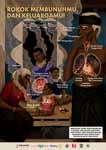
Fair Future Foundation has created a powerful new anti-smoking poster, highlighting the dangers of secondhand smoke. More than 1.2 million people die each year from exposure—including children, pregnant women, and entire families.
Secondhand smoke causes lung cancer, heart disease, asthma, low birth weight, sudden infant death syndrome, and respiratory infections, among others. This global health crisis demands action. Protect your loved ones.
Download this poster in English here or in Bahasa Indonesia here.
Publication date: 10.02.2025
 Trash Kills – Stop Polluting, Start Acting
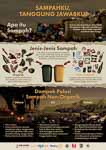
This powerful, eye-opening poster exposes the devastating impact of waste mismanagement. Plastic pollution, toxic fires, and contaminated water sources are destroying health and ecosystems.
Burning waste poisons the air, dumping it poisons the water, and negligence poisons our future. Sort, recycle, and dispose responsibly. Every action counts—protect your home, your children, and the planet before it’s too late.
Download this poster in English here or in Bahasa Indonesia here.
Publication date: 20.02.2025
Alcohol Abuse – A Silent Killer
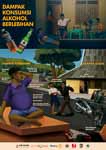
Excessive alcohol consumption destroys health, families, and futures. It leads to domestic violence, financial struggles, deadly accidents, and severe illnesses like liver cirrhosis, brain damage, and cancer.
Alcohol abuse is a silent but deadly epidemic, causing countless preventable deaths. This poster by Fair Future Foundation raises awareness of these dangers and urges individuals to make healthier choices for themselves and their loved ones.
Download this poster in English here or in Bahasa Indonesia here.
Publication date: 06.03.2025
HIV AIDS: Know Your Status
 HIV AIDS: Know Your Status
HIV weakens the immune system and, without treatment, can progress to AIDS. It spreads through sex without condoms, blood contact such as shared needles, and from mother to baby. It does not spread through mosquitoes, food, or handshakes.
This poster from Fair Future Foundation urges early, confidential testing and proven prevention: condoms, sterile needles, PrEP, and treatment for partners living with HIV. Test early, start treatment, live healthy, protect those you love.
Download this poster in English here or in Bahasa Indonesia here.
Publication date: 21.11.2025
All Thematic footers
Fair Future’s Thematic Footers – Visual Support for Our Mission
Fair Future’s thematic footers are graphic illustrations added to our original images to highlight key programs and initiatives. Each theme includes over 30 footers covering nutrition, medical care, child health, the Primary Medical Care program, Zero Malaria, and more. These visuals help communicate our impact while raising awareness. Feel free to download and use them on your images—helping spread our mission while supporting Fair Future’s work.
- Primary Medical Care: The Footer
- Water Connections 1: The Footer
- Water Connections 2: The Footer
- The Truck of Life: The Footer
- Short Stories: The Footer
- Child Health: The Footer
- Real Life Stories: The Footer
- Rumah Kambera: The Footer
- Christmas Light: The Footer
- Shoes For Walk: The Footer
- Kawan Stories: The Footer
- Zero Malaria: The Footer
- Women’s Empowerment: The Footer
- Rebuild Mbinudita: The Footer
- Basic Health Care: The Footer
- Truck n’Roll: The Footer
- Support them: The Footer
- Nutrition for All: The Footer
- Community Empowerment: The Footer
- Keep it Alive: The Footer
- Solar Buddy: The Footer
- If Not Us, Then Who?: The Footer
- Rotary International: The Footer
- The Frozen Penguin: The Footer
- Truck n’Load: The Footer
- Medical Advice: The Footer
- Medi Rider: The Footer
- Joyeux Noel: The Footer
- Kawan Against Malaria: The Footer
- Community Care: The Footer
- In-Kind Donations: The Footer
- Medical Apps: The Footer
Kawan Baik Indonesia Foundation
- .PDF – Vector | Kawan Baik Indonesia Foundation logo
Rumah Kambera Logo (Base Camp in NTT)
- .PDF – Vector | Rumah Kambera Base Camp Logo
Our Story: A Journey of Heart, Sweat, and Unwavering Dedication
 When I arrived in Indonesia in 2006, my goal was simple yet ambitious: to create something meaningful and sustainable.
Today, the Fair Future Foundation has grown far beyond that initial vision. It is no longer just an organisation—it is a powerful, living force connecting Switzerland to some of Southeast Asia's most remote and vulnerable regions, especially in the far eastern provinces of Indonesia.
From the beginning, our work has never been about isolated interventions. Since 2008, every hospital we’ve helped build, every mobile medical truck we’ve launched, and every school, toilet, or well we've constructed has been part of a coherent mission—one that aims not just to support but to transform lives.
In these ultra-rural areas—forgotten and often abandoned—our presence is about far more than assistance. It’s about radical change. Over the years, we’ve provided vital services to hundreds of thousands of people and indirectly improved countless lives.
This story is not mine alone. Fair Future is a collective movement—a community of kawan baik, or “good friends.” With the extraordinary commitment of my team and our loyal partners, we blend strategy and creativity to design solutions where none existed. We build bridges between health, education, clean water, and emergency relief, redefining what’s possible for communities long left without options.
We are not here to provide charity. We are here to challenge the limits. To prove that transformation is possible, even in the hardest places.
—Alex Wettstein, Founder - The 18th of September 2024
Health For Every Child
Child health programs reduce disease, improve hygiene and nutrition, and support learning by keeping children healthy where medical access is limited.
Primary Medical Care
Kawan Sehat health agents walk hours to treat fever, malaria, injuries and dehydration in villages without clinics, where climate shocks hit first.
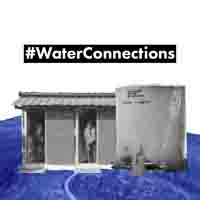
Water Connections
Ferro cement reservoirs and village water networks secure clean litres during longer droughts and after floods, cutting diarrhoea and kidney problems.
Kawan Against Malaria
Prevention, early diagnosis and treatment of malaria in areas where changing rains and temperatures create new mosquito patterns and higher risks.